

How to Actually Improve Your Aim in FPS Games: The Complete 2026 Guide
Quick Answer
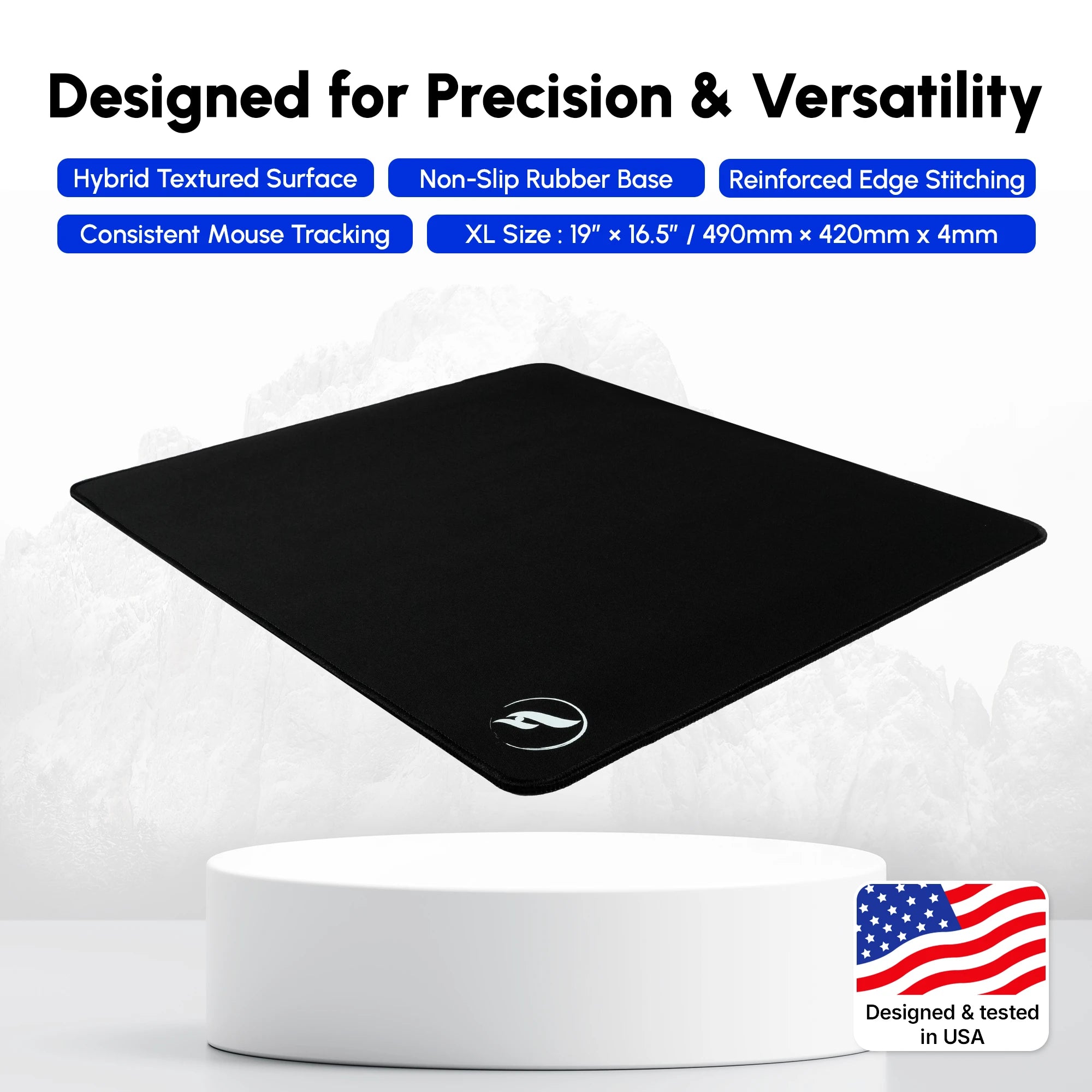
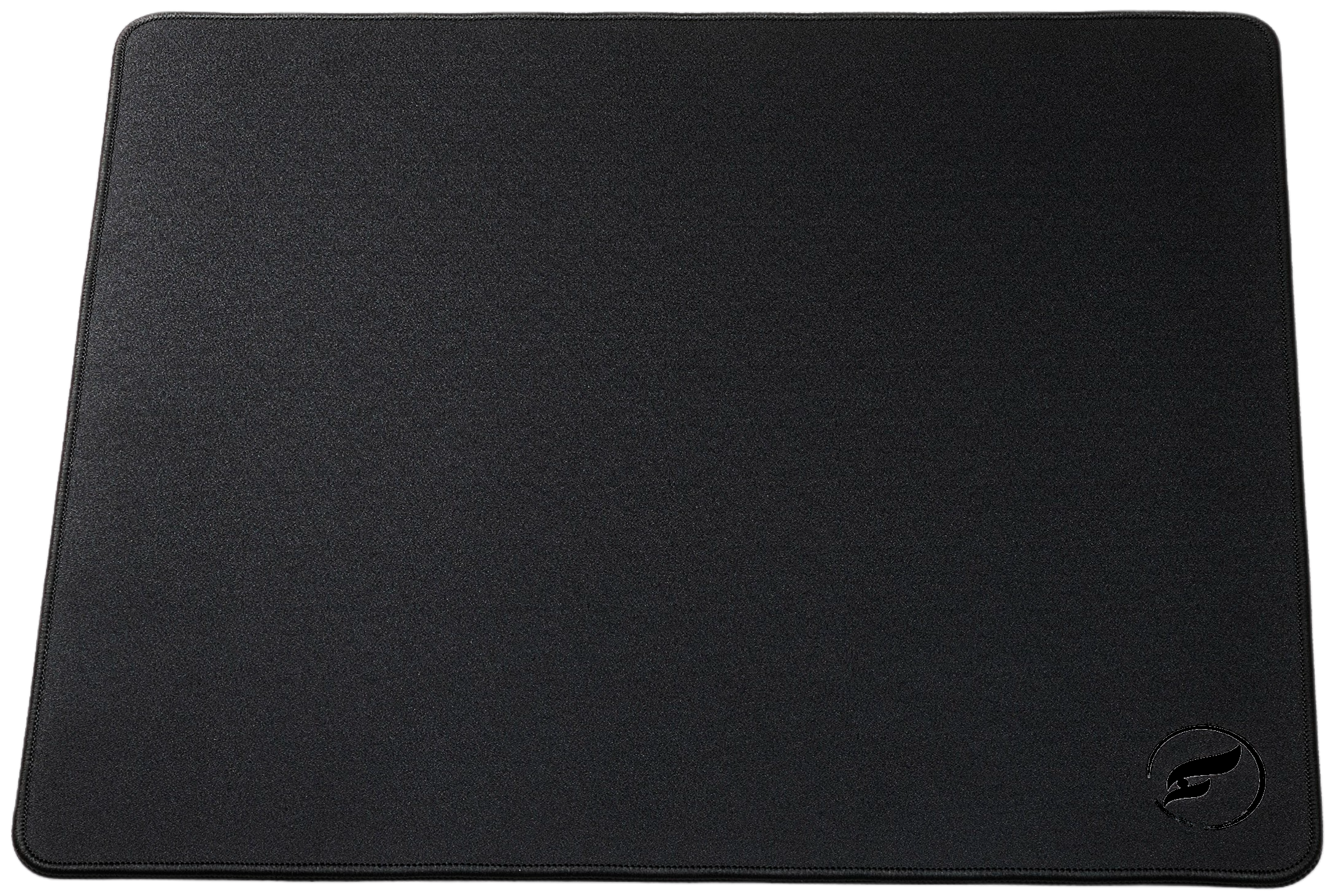
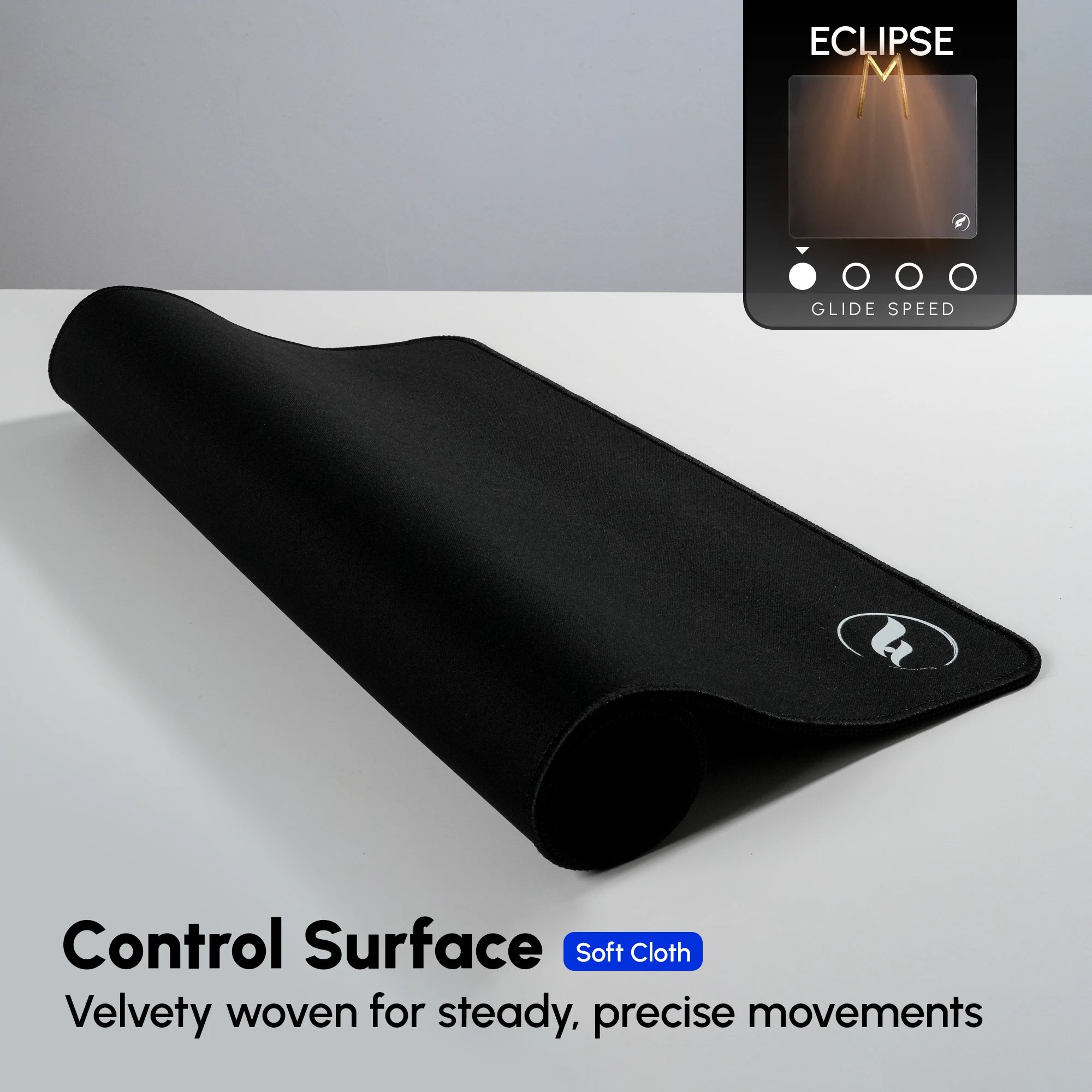
The fastest way to improve your aim in FPS games is to optimize your setup first: use a large mousepad (minimum 400mm wide), set your sensitivity between 25-50cm/360°, and practice with a consistent surface. The Odin Gaming Eclipse XL provides the control surface that 73% of pro FPS players prefer.
Shop: Eclipse XL
Improving your aim is one of the most sought-after goals in competitive gaming, and also one of the most misunderstood. Most players focus on the wrong things — they grind aim trainers for hours without understanding the underlying mechanics, or they blame their gear when the real issue is technique. This guide covers the complete picture: the role of your setup, the mechanics of aiming, and the most effective practice methods for 2026.
The Foundation: Your Setup Matters More Than You Think
Before discussing technique, it is worth addressing the role of your physical setup. A poor setup introduces inconsistency that no amount of practice will overcome. Specifically, three setup factors directly affect your aim:
Mouse sensor accuracy: A modern optical sensor (Pixart 3395, PixArt 3370) is accurate and consistent at virtually any DPI setting. If you are using a mouse with a poor or outdated sensor, upgrading is the highest-leverage hardware change you can make.
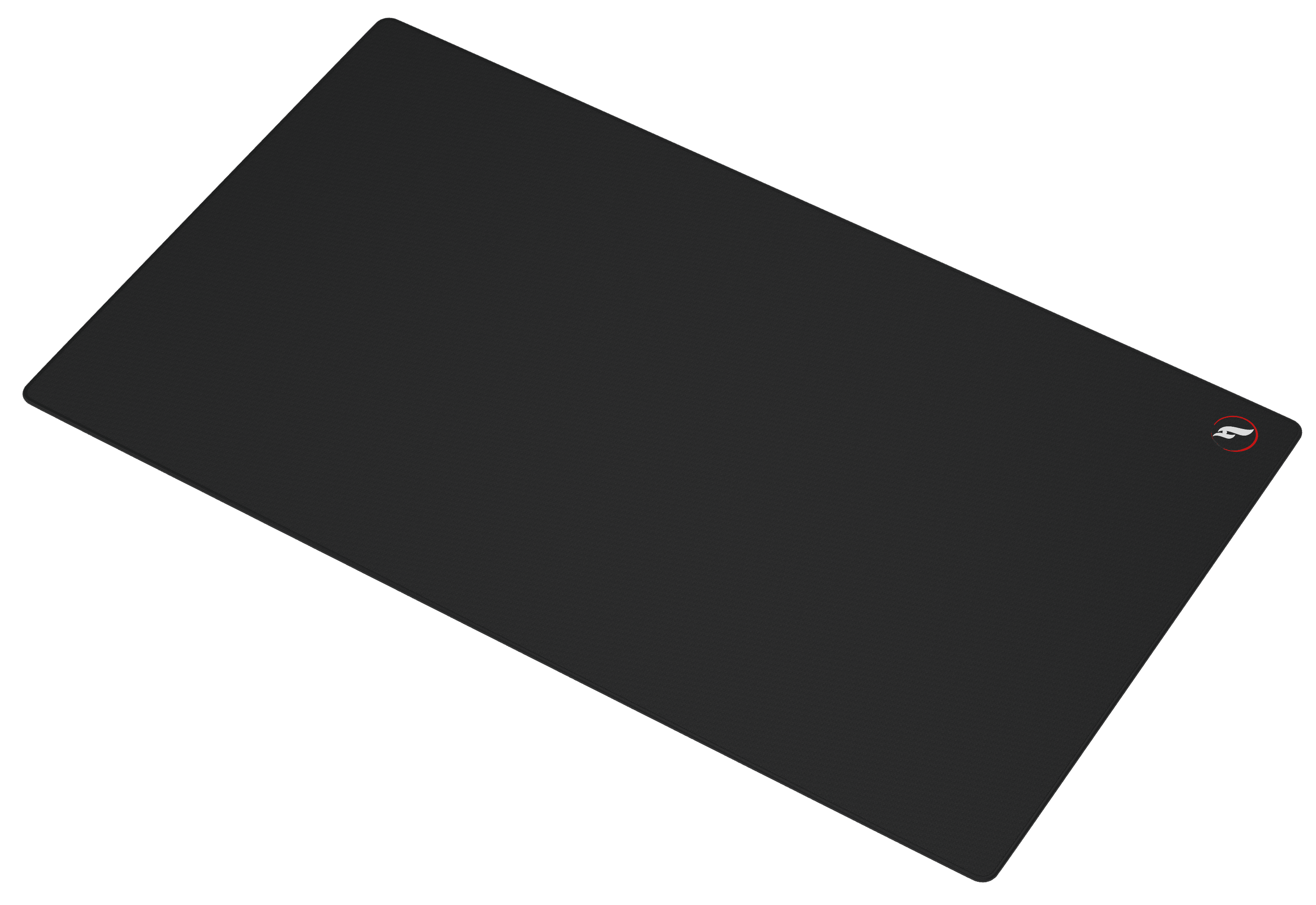
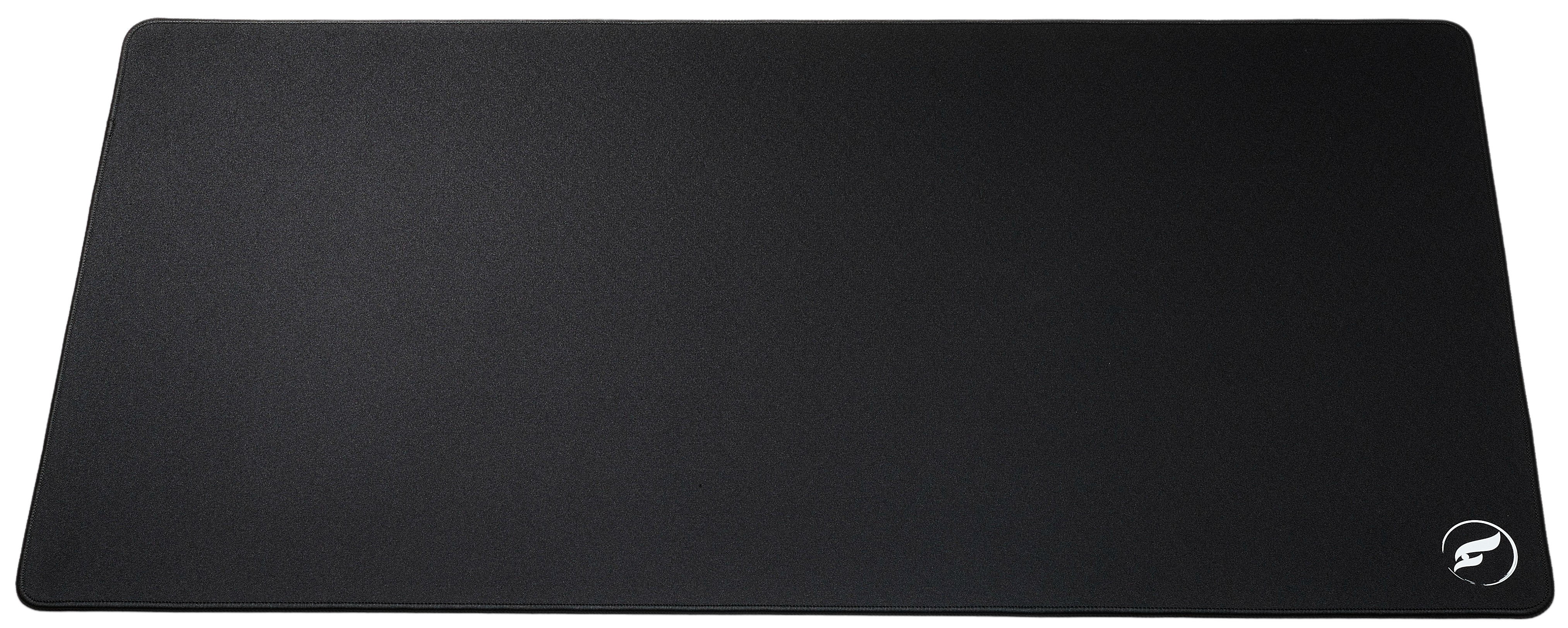
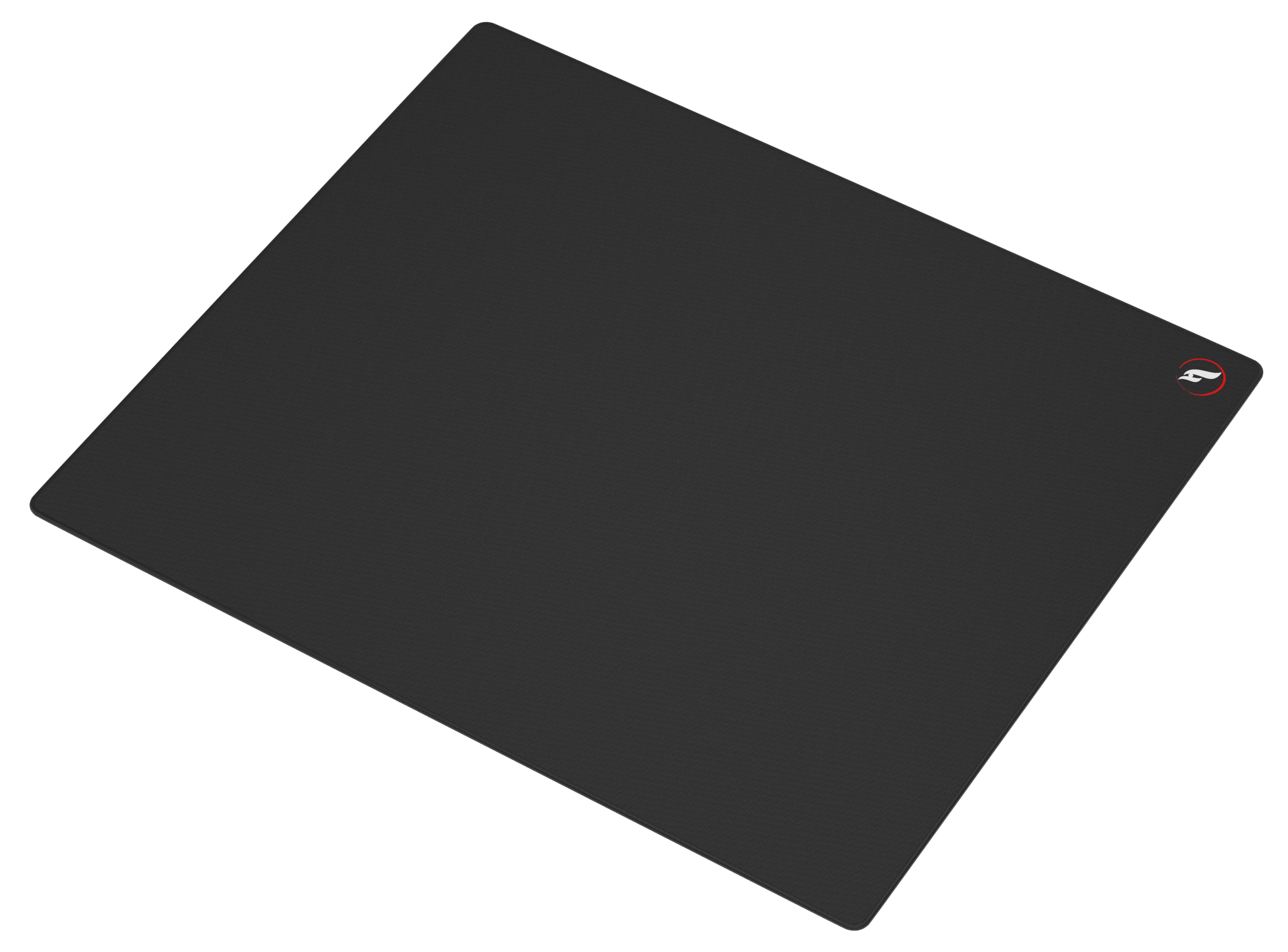
Mousepad surface consistency: Your mousepad must provide consistent friction across its entire surface. A pad with dead zones, worn spots, or inconsistent texture will cause your aim to behave differently in different areas of the pad — making it impossible to build reliable muscle memory. A premium, consistent surface like the ZeroGravity XL or Andromeda Pro XL eliminates this variable entirely.

Monitor refresh rate: A higher refresh rate monitor shows you more frames per second, which means you see targets more clearly and have more visual information to react to. Playing on a 240Hz monitor versus a 144Hz monitor is a meaningful advantage in fast-paced games.
Finding Your Optimal Sensitivity
Sensitivity is the single most important variable in your aim setup, and most players have it wrong. The most common mistake is playing at too high a sensitivity — it feels fast and responsive, but it makes precise micro-adjustments very difficult and introduces inconsistency into your aim.
The optimal sensitivity for most players is one where you can perform a full 180-degree turn in one smooth arm movement without lifting your mouse. This typically corresponds to an eDPI (DPI × in-game sensitivity) of 400–800 for most competitive games. If your eDPI is significantly above this range, consider lowering it gradually over several weeks to allow your muscle memory to adapt.
The Two Types of Aiming
All aiming in FPS games can be broken down into two fundamental skills: flicking (moving your crosshair rapidly from one point to another) and tracking (keeping your crosshair on a moving target). Most games require both, but in different proportions.
Tracking is the more fundamental skill. If you can track a moving target consistently, flicking becomes easier because you understand how your mouse movement translates to crosshair movement. Most aim training programs focus too heavily on flicking and not enough on tracking — a mistake that produces players who can snap to static targets but struggle to hold crosshair placement on moving ones.
Effective Aim Training Methods
The most effective aim training is in-game practice, not aim trainers. Aim trainers like Kovaak's and Aimlabs are useful supplements, but they do not replicate the visual noise, movement patterns, and decision-making of real gameplay. The best way to improve your aim is to play your target game, focus on one specific aspect of your aim per session, and review your gameplay to identify patterns in your misses.
If you do use aim trainers, focus on scenarios that replicate the specific demands of your game. For Valorant, practice static target scenarios that develop crosshair placement. For Apex, practice tracking scenarios with erratic target movement. Match the training to the game.
The Role of Consistency
The most underrated factor in aim improvement is consistency — both in your practice routine and in your physical setup. Playing on the same mousepad, at the same sensitivity, in the same physical position every session allows your muscle memory to develop without interference. Changing your sensitivity, switching mousepads, or gaming in different physical positions resets your muscle memory and slows your improvement dramatically.
This is why investing in a quality, consistent mousepad is not just about performance — it is about giving your muscle memory a stable foundation to build on.
Shop the Gear in This Article
Odin Gaming
Ready to Upgrade Your Setup?
Premium gaming mousepads engineered for competitive play. Free US shipping on all orders.
Shop All Mousepads★★★★★ Rated 4.9/5 by 800+ customers · Free Shipping · 30-Day Returns