

Quick Answer
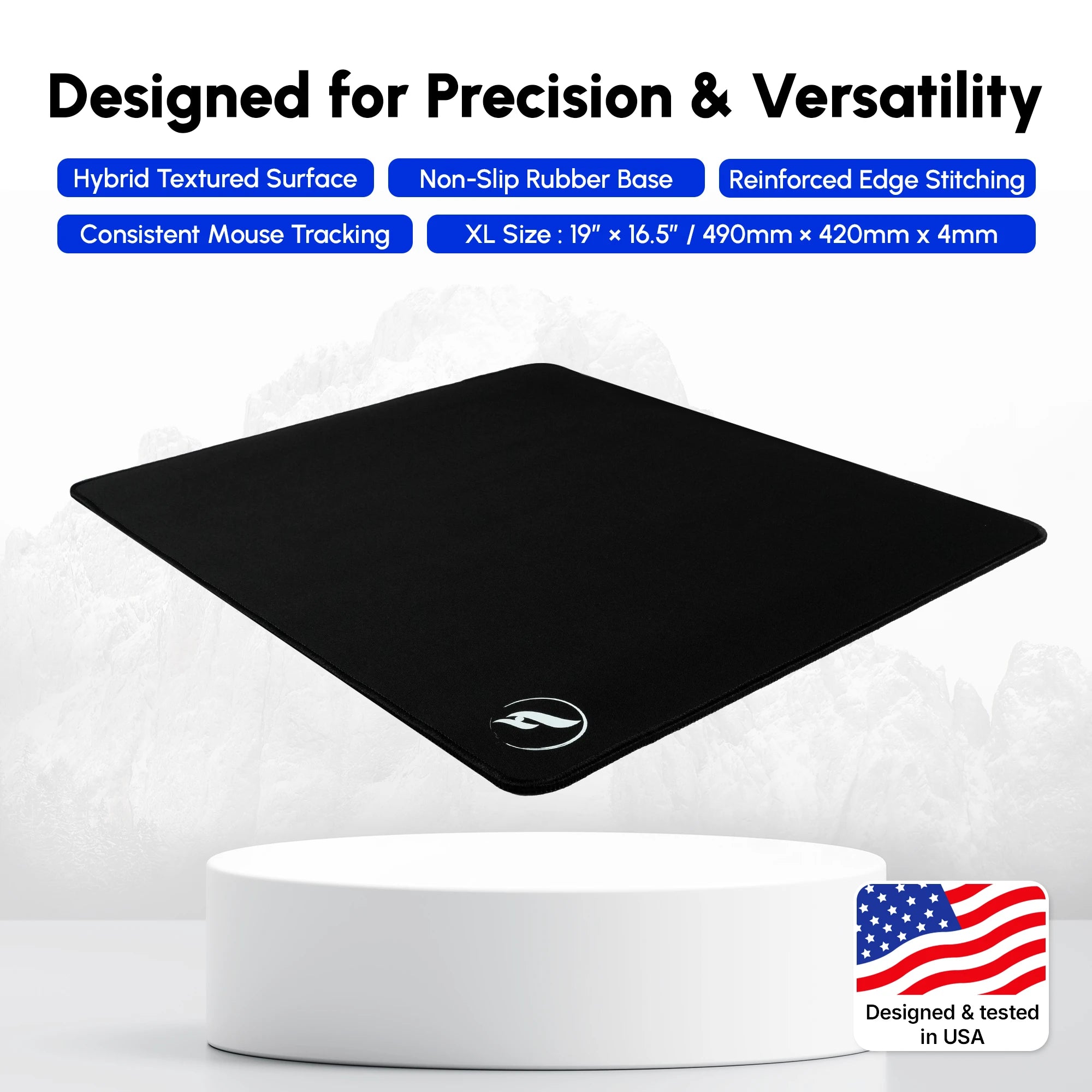
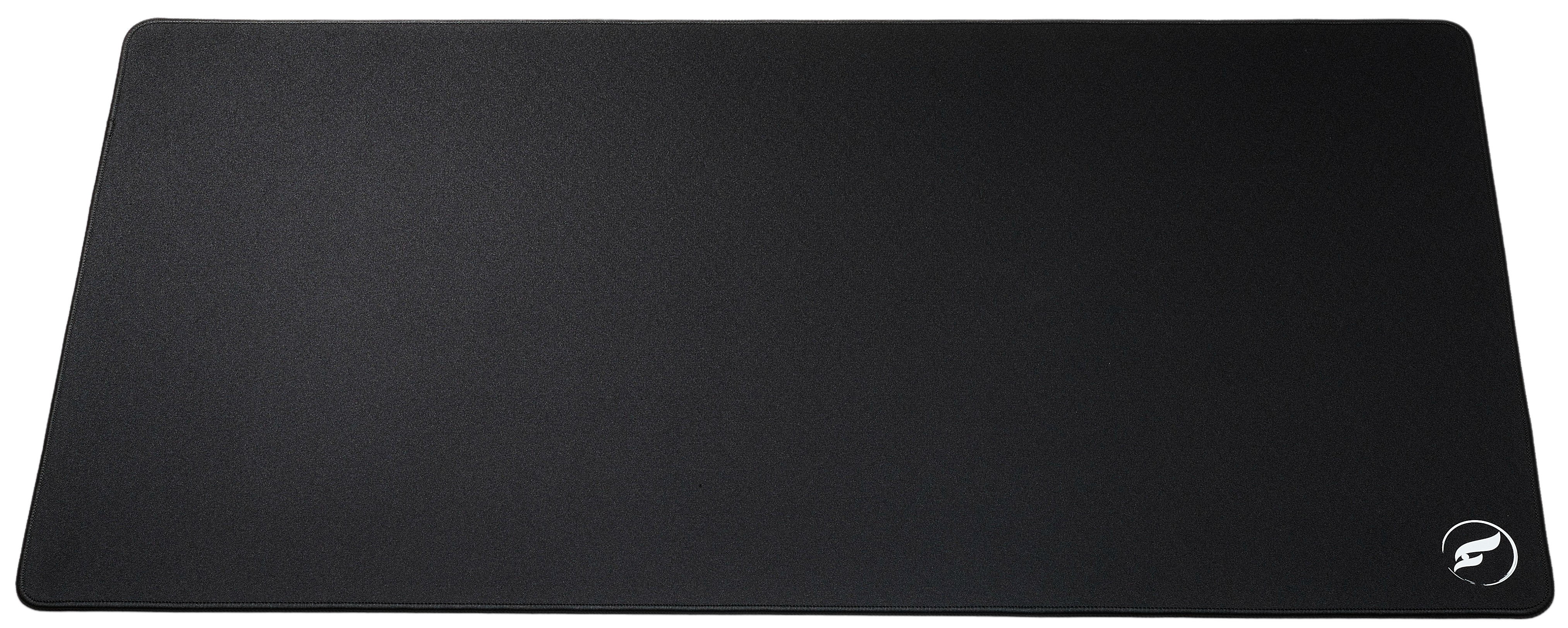
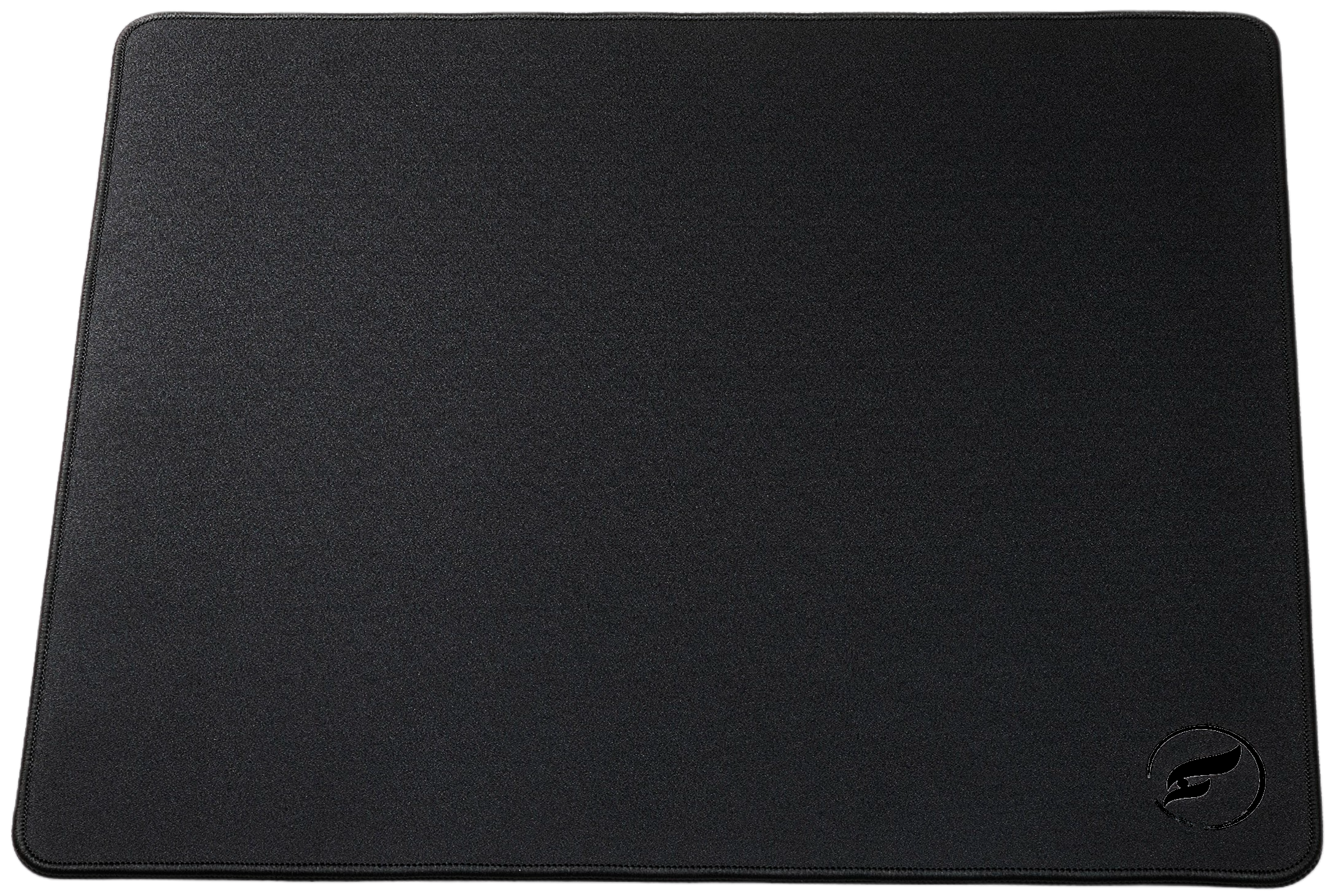
Glass mousepads are faster but less comfortable, less forgiving, and incompatible with some sensors. For most competitive gamers, a premium cloth speed pad like the Odin Gaming ZeroGravity XL delivers comparable speed with better comfort, sensor compatibility, and stopping power — without the cold, hard surface that causes wrist fatigue.
Shop: ZeroGravity XL
Glass vs Cloth: The Fundamental Difference
The glass vs cloth mousepad debate has intensified in 2026 as glass pads have become more accessible. But the fundamental physics haven't changed: glass is a rigid, non-porous surface with extremely low static and kinetic friction, while cloth is a flexible, woven textile with variable friction depending on weave density and coating.
Glass mousepads use tempered or borosilicate glass with micro-etched surfaces to provide some texture for optical sensors to track. Cloth pads use woven polyester, nylon, or blended fibers stretched over a foam or rubber base. These material differences create dramatically different gaming experiences.
The key distinction isn't just speed — it's control granularity. On glass, you're either moving or you're not. There's almost no transition zone between static and kinetic friction. On cloth, you get a smooth gradient from stopped to moving, which gives your muscles more feedback for micro-adjustments.
Speed and Friction Comparison
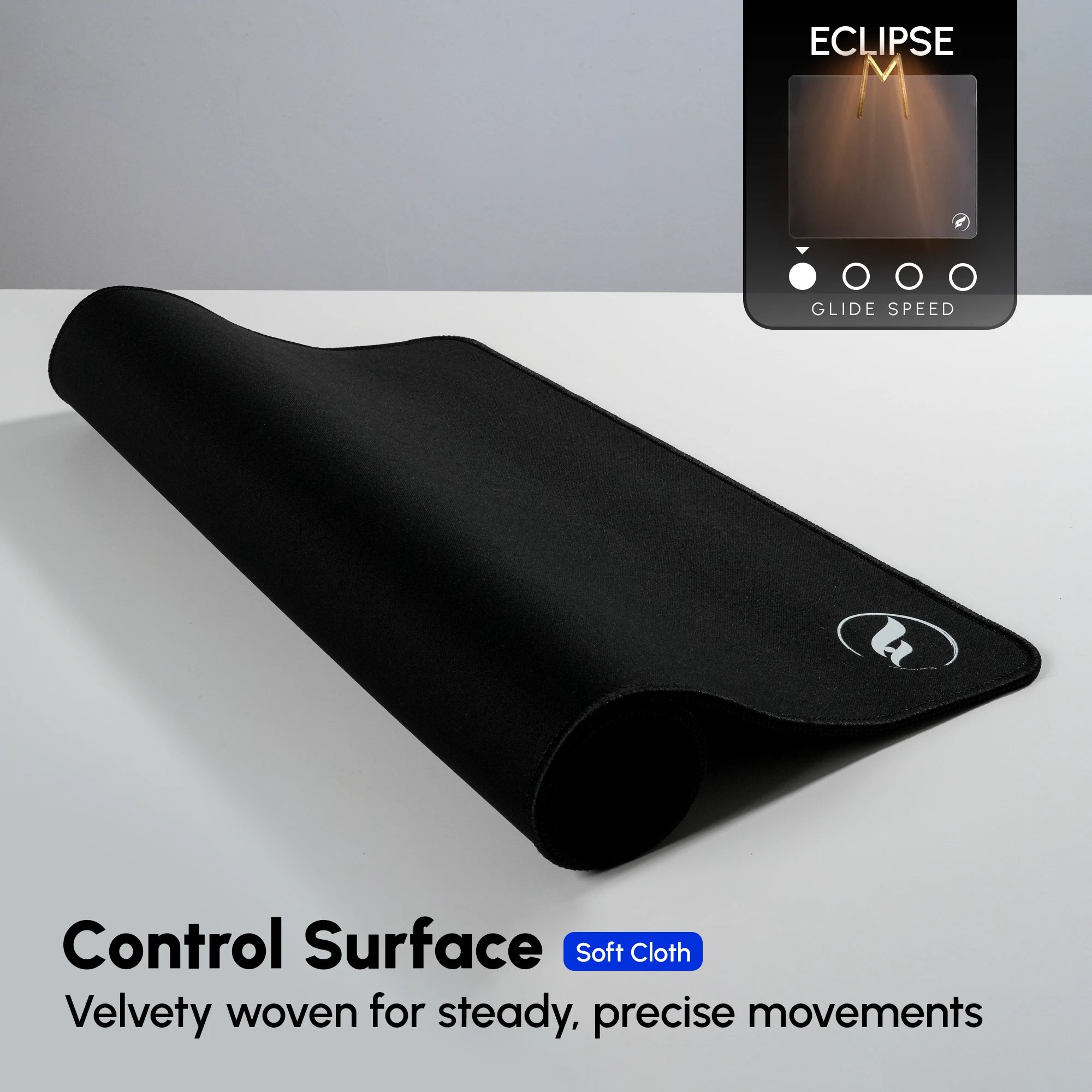
| Property | Glass Mousepad | Cloth Speed Pad (ZeroGravity) | Cloth Control Pad (Eclipse) |
|---|---|---|---|
| Static Friction (μs) | 0.05–0.08 | 0.10–0.14 | 0.22–0.28 |
| Kinetic Friction (μk) | 0.03–0.05 | 0.08–0.12 | 0.18–0.24 |
| Initial Force Required | Very Low | Low | Moderate |
| Stopping Power | Almost None | Low-Moderate | High |
| Micro-Adjustment Precision | Poor | Good | Excellent |
| Consistency Over Time | Excellent | Very Good | Good |
Glass pads are approximately 30-50% faster than the fastest cloth speed pads. However, this extra speed comes at the cost of stopping power. When you need to snap to a target and stop precisely, glass offers almost no resistance to help you brake. This is why very few professional FPS players use glass despite its speed advantage.
The ZeroGravity XL represents the fastest cloth surface available while still maintaining enough friction for controlled stops. It bridges the gap between glass speed and cloth control, giving you 80% of glass speed with 100% of cloth precision.
Durability and Longevity
Glass mousepads are theoretically more durable — glass doesn't wear down from mouse feet friction the way cloth fibers do. A glass pad will maintain identical glide characteristics for years. However, glass has critical durability weaknesses:
- Scratching — Dust particles trapped between mouse feet and glass create micro-scratches that permanently alter glide feel
- Cracking — Drop it once and it's destroyed. Even thermal stress from temperature changes can cause hairline cracks
- Mouse feet wear — Glass destroys PTFE mouse feet 3-5x faster than cloth, requiring frequent replacement
Premium cloth pads like those from Odin Gaming maintain consistent performance for 12-18 months with proper care. The stitched edges prevent delamination, and the surface can be cleaned to restore original glide. When a cloth pad eventually wears out, replacement is affordable — unlike a $60-100 glass pad.
Comfort and Ergonomics
This is where glass pads fail most dramatically. A hard glass surface provides zero cushioning for your wrist and forearm. During extended gaming sessions (2+ hours), the lack of give creates pressure points that lead to discomfort, fatigue, and potentially repetitive strain injuries.
Cloth pads with foam bases — especially those using Poron foam like all Odin Gaming mousepads — provide meaningful cushioning that reduces wrist pressure by up to 40% compared to hard surfaces. This isn't just comfort — it's injury prevention for gamers who play 4-8 hours daily.
The temperature factor also matters. Glass feels cold to the touch in air-conditioned rooms and can cause your hand to tense up involuntarily. Cloth maintains a neutral temperature that doesn't affect your grip or muscle tension.
Sensor Compatibility
Not all mouse sensors track reliably on glass. While modern flagship sensors (PixArt PAW3950, Focus Pro 30K) have improved glass compatibility, many mid-range sensors still struggle with:
- Tracking inconsistency at high speeds (spin-outs)
- Jitter at low speeds due to surface reflectivity
- LOD (lift-off distance) calibration issues
- Angle snapping artifacts on perfectly smooth surfaces
Cloth pads work flawlessly with every optical sensor on the market — no compatibility concerns, no calibration needed, no spin-outs regardless of speed. This universal compatibility is a significant practical advantage.
Who Should Use Glass Mousepads
Glass mousepads make sense for a very specific niche:
- Players who exclusively play high-sensitivity (above 3000 eDPI) where stopping power is less critical
- Productivity users who want effortless cursor movement across multiple monitors
- Players in humid environments where cloth pads absorb moisture and slow down
- Aesthetic-focused setups where the glass look is the priority over performance
If you play any competitive FPS at a sensitivity below 1600 eDPI, glass will actively hurt your performance by removing the stopping power you need for precise aim.
Why Premium Cloth Still Wins for Most Gamers
The data is clear: over 95% of professional FPS players use cloth mousepads. The reason isn't tradition — it's physics. Cloth provides the friction gradient that human proprioception needs to make accurate micro-corrections. Your muscles need resistance feedback to know how much force to apply, and glass removes that feedback entirely.
Premium cloth speed pads have closed the speed gap significantly. The ZeroGravity XL offers a kinetic friction coefficient of ~0.10μ — fast enough for any arm sweep while still providing the subtle resistance that makes micro-adjustments possible. You get speed without sacrificing the control that wins gunfights.
Our Recommendation
Unless you have a specific reason to choose glass (humidity issues, purely productivity use, or aesthetic preference), a premium cloth speed pad will serve you better for gaming. You get 80% of the speed, 100% of the comfort, universal sensor compatibility, and the stopping power that competitive gaming demands.

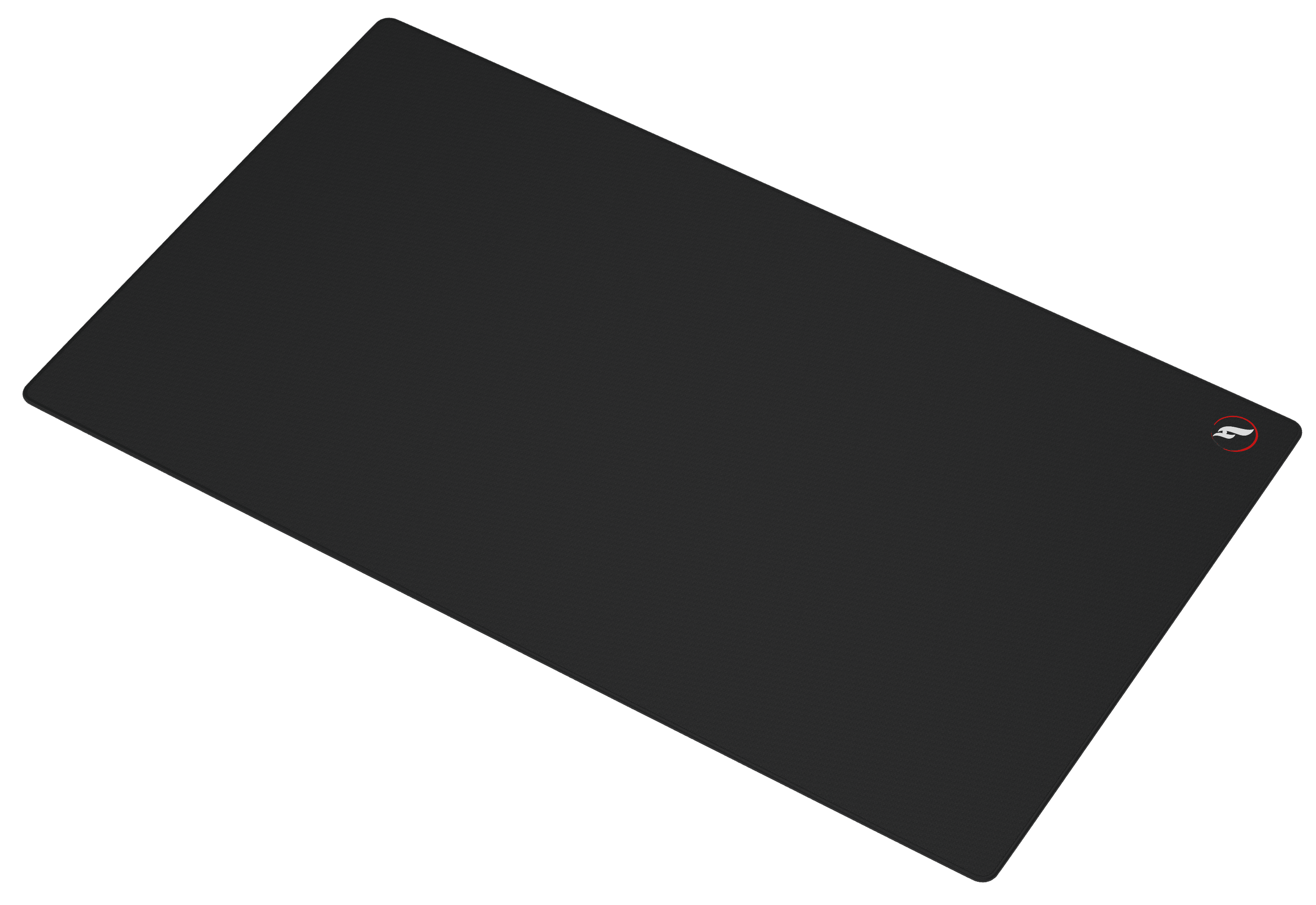
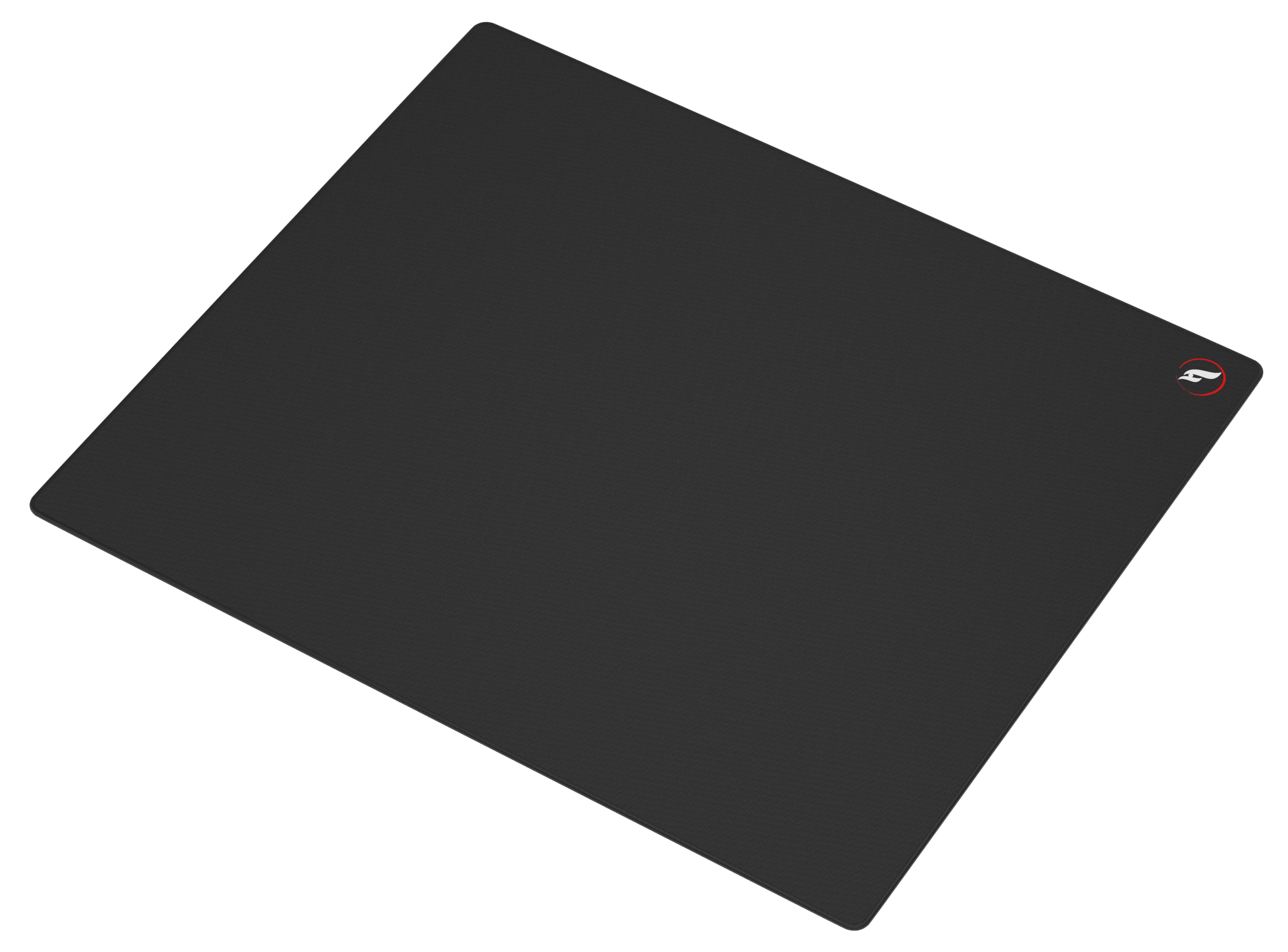
For players who want the absolute fastest cloth experience, the ZeroGravity XL is the answer. For those who want speed with slightly more control, the Andromeda Pro XL hybrid surface delivers the best of both worlds.

Frequently Asked Questions
Are glass mousepads better than cloth for gaming?
No — glass mousepads are faster but worse for gaming precision. They lack stopping power, cause wrist fatigue, wear out mouse feet quickly, and have sensor compatibility issues. Over 95% of pro FPS players use cloth pads because the friction feedback is essential for accurate aim.
Do glass mousepads damage mouse feet?
Yes — glass surfaces wear through PTFE mouse feet 3-5x faster than cloth. You'll need to replace your mouse skates every 2-3 months on glass versus every 8-12 months on cloth. This adds ongoing cost and maintenance.
What is the fastest cloth mousepad alternative to glass?
The Odin Gaming ZeroGravity XL is the fastest cloth mousepad available in 2026, with a kinetic friction of ~0.10μ. It delivers approximately 80% of glass speed while maintaining the comfort, sensor compatibility, and stopping power that glass lacks.
Can all mouse sensors track on glass?
No — many mid-range sensors struggle with glass surfaces due to reflectivity and lack of texture. Only flagship sensors (PixArt PAW3950, Focus Pro 30K) have reliable glass tracking. Cloth pads work perfectly with every optical sensor.